7 simple ways to help lower your blood pressure
More than half of people with high blood pressure aren’t even aware they have it. Here’s how to keep your numbers in a healthy range — no medications required.
Whether you’ve been told you have hypertension or are trying to avoid that diagnosis, we all have a lot of power when it comes to lowering our own blood pressure numbers. In fact, health care providers often recommend adopting healthier habits before they prescribe medications to patients with stage 1 hypertension (see below).
“Lifestyle changes are always the best and most successful first step in treating high blood pressure,” says Pavan D. Kapadia, MD. He is a cardiologist with AdventHealth in Tampa, Florida.
If the idea of overhauling your lifestyle sounds too hard, know that it doesn’t have to be. Small shifts, made one at a time, can add up to real health results. The clinician at your Matrix in-home health assessment can help you. You can also start by trying one or more of these tips today.
1. Know your blood pressure numbers
If it’s been a year or more since your last screening, it’s time to have your blood pressure checked again. That can be done during your annual Matrix in-home health and wellness assessment[link to main article] lead by a licensed clinician.
The first number in a blood pressure reading is called systolic blood pressure. It measures the pressure caused by the heart contracting and pushing out blood. The second number is called diastolic blood pressure. It measures the pressure when the heart relaxes and fills with blood.
Here’s what those numbers mean:
- Normal blood pressure: Blood pressure is lower than 120/80 mm Hg.
- Elevated blood pressure: The first number ranges from 120 to 129 mm Hg, and the second number is below 80 mm Hg.
- Stage 1 hypertension: The first number ranges from 130 to 139 mm Hg, or the second number is between 80 and 89 mm Hg.
- Stage 2 hypertension: The first number is 140 mm Hg or higher, or the second number is 90 mm Hg or higher.
It’s important to know that only a health care provider can diagnosis high blood pressure. If you’re checking your numbers on your own (either at home using a home monitor or at a pharmacy) and record a high number, it’s a good idea to schedule an appointment with your doctor.
A Matrix in-home health and wellness assessment is a good time to discuss healthy habits with a licensed clinician — plus, it’s part of your plan! Call 877-302-3672 877-302-3672 to schedule.
2. Choose low-sodium foods
Diets that contain a lot of salt can make it harder to manage your blood pressure. That’s because sodium can make your body retain fluid, which can raise your blood pressure numbers.
“I always recommend a lower-sodium diet for patients with high blood pressure. That’s the first thing,” says Tracy Jones, APRN, FNP-C, a Matrix Medical Network clinician.
Up to 70% of the sodium in our diets comes from packaged foods. One easy way to cut back on salt is to seek out foods that are labeled “low sodium” or “no salt added.” Stores usually carry the following types of products in low-sodium varieties:
- Canned or frozen fruits or vegetables
- Soup
- Broth or bouillon
- Nuts and seeds
- Canned beans
- Tomato sauce
- Frozen meals
- Snacks, such as popcorn or pretzels
Recommended reading: 7 easy ways to cut back on salt (and why it matters)
3. Start your day with a fruit smoothie
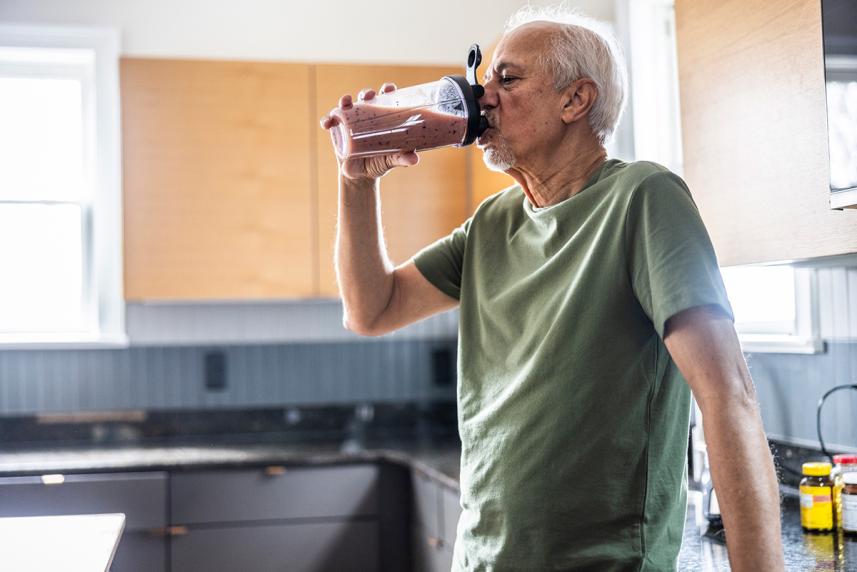
They are full of healthy vitamins and antioxidants and easy to enjoy on the go. One study even found that eating five servings of fruit per day can lower blood pressure by nearly 20%. Try a mix of frozen berries, banana, and low-fat yogurt or milk.
4. Eat a meatless meal every day
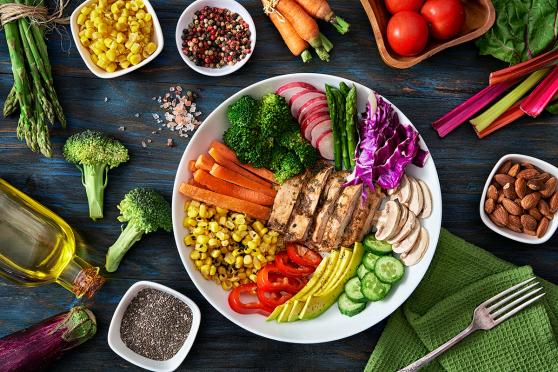
You don’t have to become a vegetarian or vegan to consume more plant-based meals. Tweaking just one meal a day can improve your blood pressure numbers. You could have that fruit smoothie for breakfast, or lentil soup for lunch, or a veggie burger for dinner. Fruits, vegetables, whole grains, and legumes are packed with heart-healthy nutrients, says Dr. Kapadia.
5. Go for a walk after dinner
A simple stroll around the neighborhood can reap big rewards. Walking at a moderate pace can lower your blood pressure by around 4 points, according to a study published by the American Academy of Family Physicians.
The key is to do it regularly. Dr. Kapadia says that even 30 minutes of walking a day can improve blood pressure. Try to get in the habit of lacing up your sneakers once the dishes are cleared.
Recommended reading: 5 tips to turn your daily walk into a workout
6. Take the stairs
Have a choice between an elevator or escalator and the stairs? Picking the latter is an easy way to sneak more heart-pumping activity into your day. And research shows that it can translate to lower blood pressure — and lower cholesterol — in just four to eight weeks.

Don’t miss your chance to book your no-cost in-home visit
We’ll bring the clinician to you!
7. Spend time with others
Social isolation can take a toll on your mood and stress levels, which can lead to higher blood pressure. Jones likes to encourage her patients to plan for at least one weekly outing where you’ll physically be with others. That could be going to your local community center, meeting a friend for lunch, or volunteering for a cause you care about. Mark it on your calendar so you can look forward to it.
See our sources:
High blood pressure statistic: World Health Organization
Low-sodium eating: American Heart Association
Fruit for blood pressure: European Journal of Nutrition
Benefits of walking: American Family Physician
Benefits of stair climbing: Journal of Taibah University Medical Sciences
Stress and BP: Mayo Clinic
Social isolation and BP: Journal of Affective Disorders