
Good or bad for cholesterol? Nutritionist-approved foods for heart health
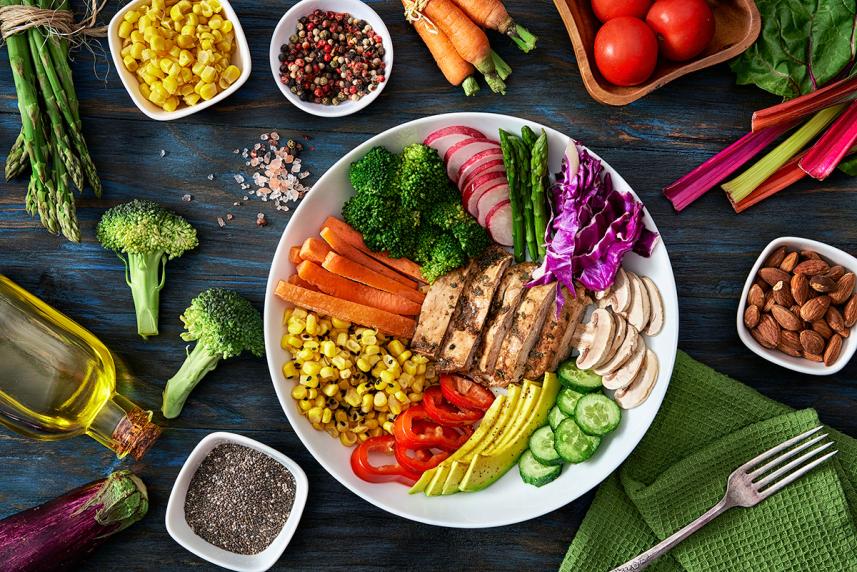
Healthy cholesterol levels help keep your cardiovascular system in good condition. Here are the foods you should eat regularly — and those to avoid — to make your heart happy.
You may remember when the popular wisdom was that foods that contain high amounts of cholesterol raised your body’s cholesterol levels. But there’s a new scientific school of thought about this now.
Research has found that cholesterol in foods doesn’t have much impact on blood cholesterol levels for most people. It’s actually other types of nutrients that have an unhealthy impact on your cholesterol levels: saturated fats and trans fats.
“These raise levels of LDL, or ‘bad’ cholesterol,” says Vandana Sheth, RDN, a registered dietitian in Los Angeles.
Cholesterol is a type of lipid that’s found in your blood. LDL cholesterol can build up in the walls of your arteries, making them harden and narrow. When that happens, blood flow to your heart and brain can become blocked, putting you at higher risk of a heart attack or stroke.
The exciting news about this nutritional flip-flop is that some of the foods you may have avoided in the past — such as eggs — can go back on your menu. And because the foods you eat are closely tied to your overall health, Matrix Medical Network clinicians are happy to help answer your nutrition questions and share healthy eating tips during your yearly in-home health assessment.
Here are the heart-smart foods to enjoy on a regular basis — and the ones that should be eaten only occasionally — to help get your cholesterol levels to where you want them to be.
An in-home health visit is a good time to discuss healthy habits with a licensed clinician — plus, it’s part of your plan! Call 877-302-3672 877-302-3672 to schedule or book online.
Eat these 9 foods regularly for healthier cholesterol levels
There are lots of delicious options to choose from. Make the following foods the foundation of your better-cholesterol eating plan.
1. Vegetables. Think leafy greens, broccoli, cabbage, asparagus, mushrooms, peppers, and carrots. The more colorful, the better. “They’re typically rich in fiber, antioxidants, vitamins, and minerals and low in saturated fat,” says Sheth.
Fiber is especially important, because it grabs onto cholesterol in the intestine and removes it from the bloodstream.
2. Fruit. Choose apples, bananas, berries, oranges, pears, and grapes. Like veggies, they’re also packed with fiber, which lowers cholesterol and reduces blood pressure.
3. Whole grains. This includes whole wheat bread, pasta, brown rice, oatmeal, and whole grain tortillas. “Whole grains have fiber, vitamins, and minerals that help lower cholesterol and support heart health,” Sheth says.
If you’re not the biggest fan of whole grains, one trick to help your taste buds adjust is to start by doing a mix. When you’re making a sandwich, for example, one slice of bread could be whole wheat or rye, the other white. Planning a stir-fry for dinner? Use a combination of brown and white rice.
4. Beans and legumes. Black beans, pinto beans, chickpeas, lentils, black eyed peas, kidney beans, and split peas are also good sources of heart-healthy fiber. You can add them to soups, salads, pasta dishes, or even mash them into dips.
5. Healthy fats. Olive oil, canola oil, sunflower oil, avocado, nuts, and seeds fall into a category of fats called unsaturated fats. “They’ve earned the “healthy” fats label because they help lower LDL and help prevent clogged arteries that can block blood flow to your heart and brain, especially when used as a replacement for saturated and trans fats,” Sheth says.
6. Fat-free or low-fat dairy. This includes fat-free and low-fat milk, yogurt, and cheese. The American Heart Association also includes nondairy-based milks in this category. Choose those fortified with calcium and vitamin D and with no added sugars.
7. Eggs. Once considered problematic for cholesterol levels, now “they can be part of a heart-healthy diet,” says Sheth.
8. Fish. Options include salmon, tuna, anchovies, mackerel, and sardines. These are high in omega-3 fatty acids, which are essential nutrients that help lower triglycerides. Triglycerides are a different type of fat in the blood. Like lower cholesterol levels, lower triglycerides also curb the risk of heart disease and stroke.
Edamame, walnuts, and ground flaxseed also contain omega-3 fatty acids.
9. Lean meat. Skinless poultry, extra-lean ground beef, and lean pork are healthier choices than higher-fat meats or processed red meats.

Don’t miss your chance to book your no-cost in-home visit
We’ll bring the clinician to you!
Eat these 5 foods only occasionally for healthier cholesterol levels
No one wants to cut their favorite foods out of their diet forever. But limiting how often you eat them can reduce your cholesterol levels and protect your heart. Think of these as an indulgence rather than a dietary staple.
1. Full-fat dairy. Whole milk, butter, and cream are high in saturated fats, which can raise cholesterol levels.
2. Fatty and processed red meat. Beef ribs, sausage, hot dogs, salami, and deli meat also are high in saturated fat.
3. Tropical oils. Coconut and palm oils are often found in packaged snacks and baked goods. They can contain a significant amount of saturated fat.
4. Sugary foods and drinks. “Soft drinks, pastries, cake, cookies, and ice cream can lead to weight gain, which may indirectly raise your cholesterol”, Sheth says.
5. Refined carbohydrates and processed foods. White bread, white pasta, potato chips, sugary cereals, stick margarine, frozen pizza, and frozen meals are all tied to higher cholesterol levels, research shows.
These are the culprits likely to contain “partially hydrogenated oil” (aka, trans fats), according to the American Heart Association. The organization points out that a food can be labeled as “0 grams of trans fat” if it contains up to 0.5 grams of trans fat per serving. So, be sure to check the ingredients list for “partially hydrogenated oil” when you’re shopping.
See our sources:
Studies on dietary cholesterol and blood cholesterol levels: Nutrients
Heart-healthy foods: National Heart, Lung, and Blood Institute
Cholesterol and heart health: American Heart Association
Fiber and heart health: National Lipid Association
Omega-3s for heart health: Cleveland Clinic and American Heart Association
Heart-healthy proteins: American Heart Association
Processed foods and heart health: Public Health Nutrition and Journal of the American College of Cardiology
Trans fats and processed foods: American Heart Association